Why Structural Innovations in Custom Die-Cut Packaging Matter for Your Brand
Structural innovations in custom die-cut packaging are transforming how brands connect with customers — from the first glance on a retail shelf to the moment someone opens a box at home.
Here are the key innovations shaping die-cut packaging right now:
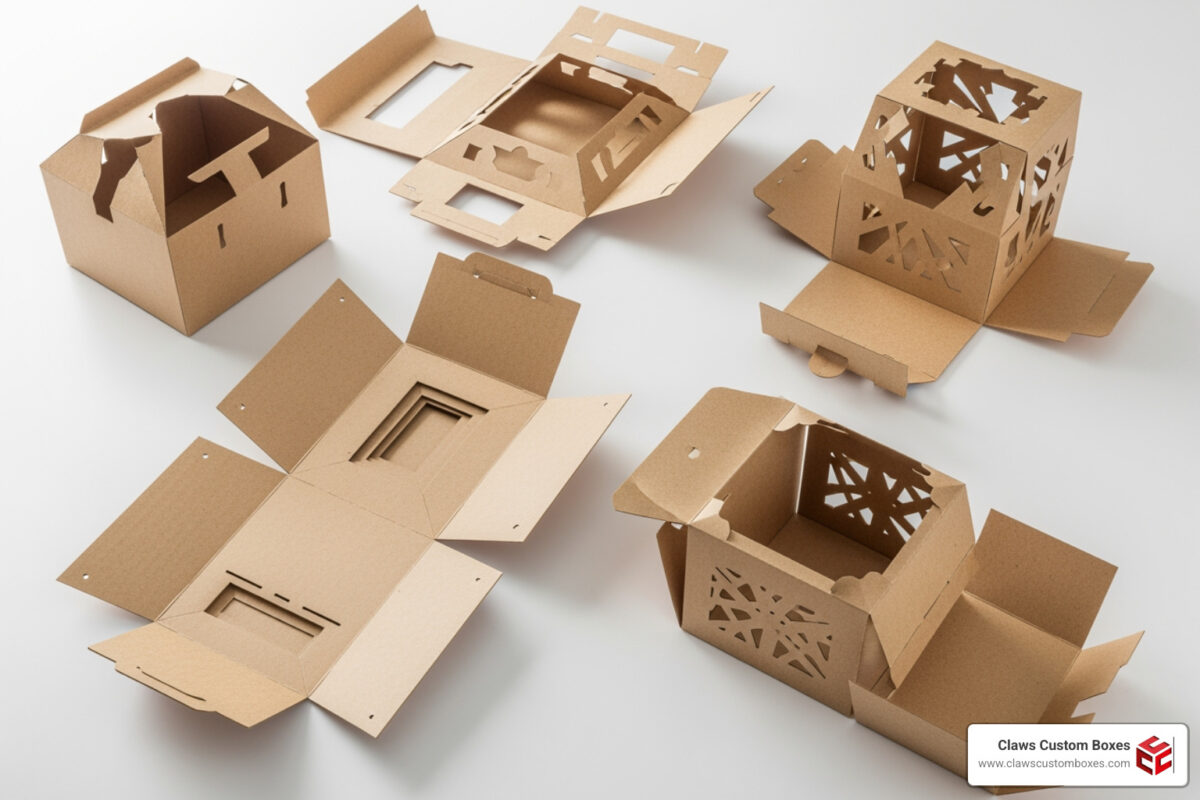
- Custom geometric shapes — hexagonal, curved-edge, and asymmetrical forms that stand out instantly
- Interactive elements — pull tabs, perforated tear-strips, pop-up inserts, and drawer-style openings
- Functional cut-outs — windows, thumb notches, ventilation holes, and logo silhouettes
- Precision engineering — tolerances held within 0.1mm for a perfect mechanical fit
- Mechanical Support Balanced Design — hidden internal beams that keep compression strength within 5% even with large cut-outs
- Sustainable single-material structures — glue-free, recyclable designs that reduce waste
These aren’t just aesthetic upgrades. They directly influence buying decisions. In fact, most Americans say a product’s packaging design often shapes whether they purchase it or not.
The global die-cutting service market is on track to reach USD 2.7 billion by 2032, growing at roughly 3.8% per year. That growth reflects how seriously brands are investing in packaging as a competitive tool — not just a box to ship things in.
If you’re a small or mid-sized business, the good news is that custom die-cut structures are more accessible than ever in 2026. Whether you need a few hundred units or a large commercial run, the process is scalable — and the payoff in brand recognition is real.
I’m Max Anderson, a packaging and brand strategy specialist with hands-on experience helping businesses unlock the potential of structural innovations in custom die-cut packaging to build stronger shelf presence and more memorable unboxing experiences. In the sections below, I’ll walk you through everything — from how the engineering works to which structures fit your product best.
Structural Innovations in Custom Die-Cut Packaging terms to remember:
- Foil Stamping vs. Spot UV: Choosing the Right Accents for Your Packaging
- Structural Secrets: Designing Sturdy, High-Impact Retail Display Boxes
- Ultimate Checklist for Custom Packaging Boxes
The Mechanics of Structural Innovations in Custom Die-Cut Packaging
At its core, die-cutting is a manufacturing process that functions much like a high-powered, industrial-strength cookie cutter. Instead of dough, we use steel-rule dies to slice through paperboard, corrugated cardboard, and specialty substrates. But in 2026, it is so much more than just “cutting shapes.” It is a feat of precision engineering.
The Die Cut Boxes History And Originality of this craft shows a transition from simple letterpress techniques to today’s high-tech systems. Modern structural innovations in custom die-cut packaging rely on steel blades fixed onto a sturdy wooden base (the die board). These blades are bent into intricate shapes that allow us to achieve tolerances within 0.1mm. This level of accuracy ensures that every tab clicks into place and every fold is crisp.
When we look at Custom Box Manufacturing Capabilities, we generally see two main systems:
- Flatbed Die-Cutting: Ideal for low-to-medium volumes or extremely intricate designs. The material stays flat while the die is pressed down, providing incredible detail.
- Rotary Die-Cutting: This uses cylindrical dies that spin at high speeds. It’s the “sprinter” of the packaging world, perfect for mass production where speed and consistency are paramount.
By utilizing CAD (Computer-Aided Design), we can create “dimensional leaps,” turning a flat 2D sheet into a complex 3D structure that supports itself without the need for excessive tape or glue. This mechanical fit is the “soul” of modern packaging engineering.
From Concept to Shelf: The Engineering Process
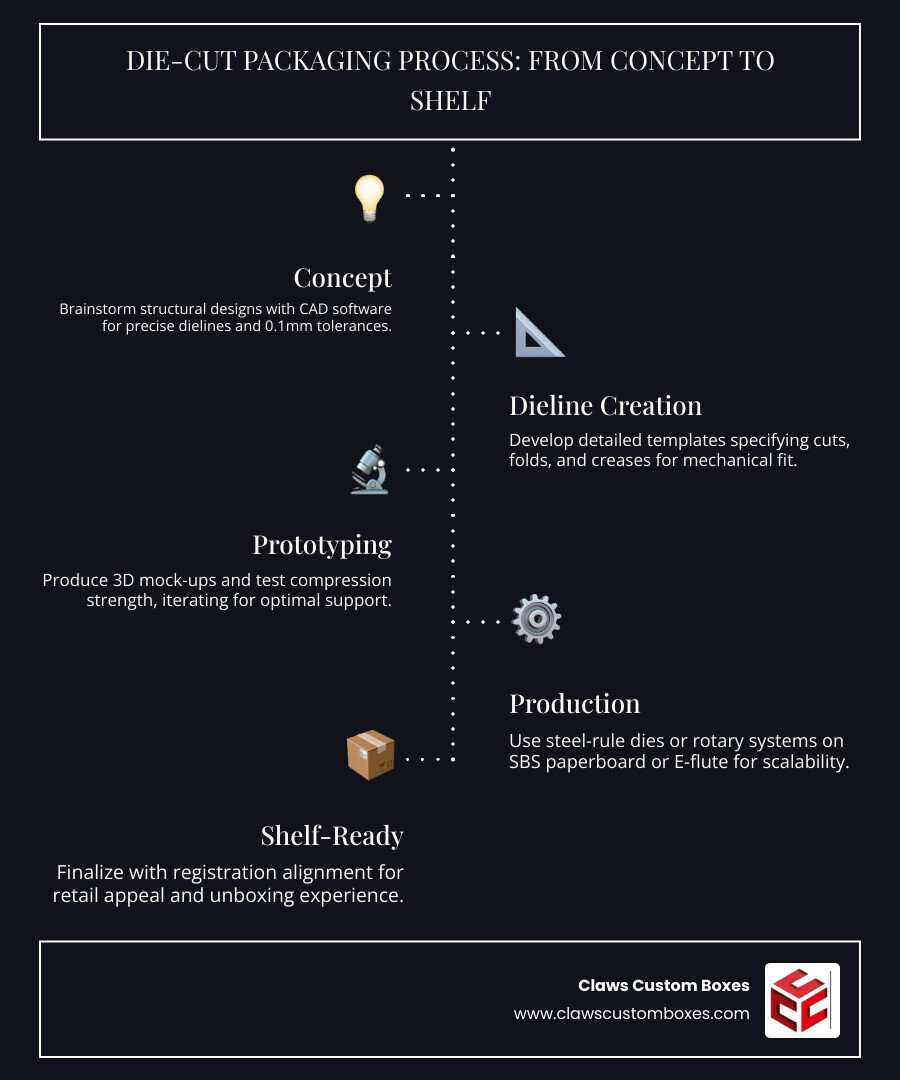
Creating a custom box isn’t just about drawing a pretty picture; it’s about structural physics. The journey begins with the dieline. If you’ve ever wondered What Is The Meaning Of The Die Line In The Printing And Packaging Industry, think of it as the master blueprint. It maps out exactly where the machine will cut, where it will crease (fold), and where it will perforate.
In 2026, we’ve added a layer of AI simulation to this stage. We use software to predict how the paper fibers will react when folded. By analyzing fiber orientation, we can prevent the dreaded “cracking” that sometimes happens on the edges of dark-printed boxes.
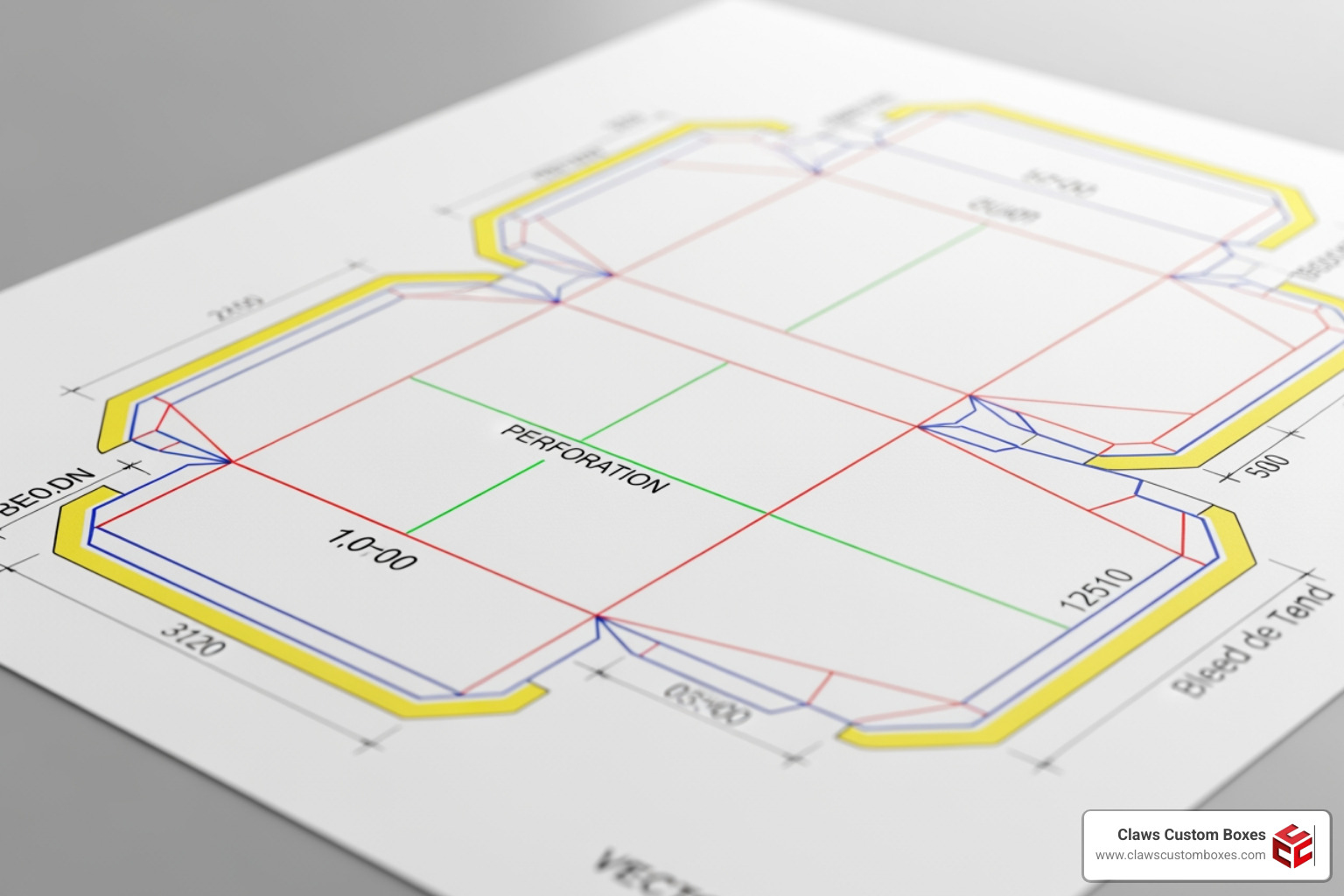
When considering Custom Packaging Design, material selection and registration alignment are critical. If your print is off by even a fraction of a millimeter, your windows or logo cut-outs won’t align with the graphics. We use advanced sensors to ensure the “print-to-cut” registration is flawless, which is essential for maintaining production scalability.
Prototyping Structural Innovations in Custom Die-Cut Packaging
Before we ever fire up the mass-production line, we create prototypes. This is where we answer the big questions: Does the product fit? Is it easy to open? Will it survive a 4-foot drop?
Understanding What Is A Die Line And Which One Is Preferable is vital here, as the prototype allows us to test different tuck styles and closure mechanisms. We perform structural testing to measure compression strength. If a box is going to be stacked ten-high in a warehouse, the bottom box needs to hold up! Through iterative design and 3D mock-ups, we refine Product/Die Cut Boxes until they provide the perfect balance of form and function.
Material Feasibility for Structural Innovations in Custom Die-Cut Packaging
Not all materials are created equal. The material you choose dictates what kind of structural innovations in custom die-cut packaging are possible.
- SBS (Solid Bleached Sulfate) Paperboard: The gold standard for retail. It’s smooth, white, and takes intricate die-cuts and windows beautifully.
- E-Flute Corrugated: Thin but incredibly strong. This is our go-to for subscription boxes and mailers.
- Kraft: Perfect for brands wanting that “eco-natural” look while maintaining high tensile strength.
We also look at Cushion Board Styles for fragile items. To ensure these materials perform, we use “graded creasing.” This involves adjusting the depth of the fold based on the paper’s weight. In some cases, we even use micron-level humidification in the factory to keep the fibers flexible, preventing breakage during the folding process. You can explore these variations By Box Style to see which fits your specific industry, such as Fefco Styles for standardized shipping solutions.
Advanced Structural Styles and Interactive Elements
The transition from a “standard box” to an “innovative structure” is where the magic happens. Below is a snapshot of how these designs compare:
| Feature | Standard Packaging | Innovative Die-Cut Structure |
|---|---|---|
| Shape | Simple Rectangle/Square | Hexagonal, Triangular, Curved, or Sculpted |
| Opening | Flap with Tape | Perforated Tear-strip, Magnetic, or Drawer-pull |
| Visibility | Solid or Plastic Window | Integrated Logo Cut-outs or Patterned Vents |
| Assembly | Manual Taping | Self-locking / Tab-lock (Glue-free) |
Whether you are looking for a Custom Boxes Style that uses Multi Style Templates or something truly unique from our Other Styles, the goal is always to create a “wow” factor. For example, a Gift Box Style might include a flower-opening lid, while Bag Styles can incorporate die-cut handles that are part of the box itself.
Geometric Shapes and Functional Cut-outs
Why settle for a square when you can have a hexagon? Hexagonal tubes are incredibly popular for premium spirits and honey jars because they provide more “facets” for branding. We often utilize Trays Top Base Styles combined with Lid Hinged Base Styles to create a jewelry-box feel.
Inside the box, Inner Holdings Styles (die-cut inserts) act as a “tailored suit” for your product. These inserts eliminate the need for bubble wrap or plastic peanuts. We can also add Folder Envelops Styles for flat items or Display Box Styles that feature perforated headers, allowing a shipping box to transform into a retail shelf display instantly.
Interactive Structural Innovations in Custom Die-Cut Packaging
Interaction is the key to a memorable unboxing experience. Think of the “unboxing ASMR” — the satisfying sound of a perforated strip being pulled. We use skip-blade technology with 0.05mm spacing accuracy to ensure that tear-strip feels “silky” and follows a precise path every time.
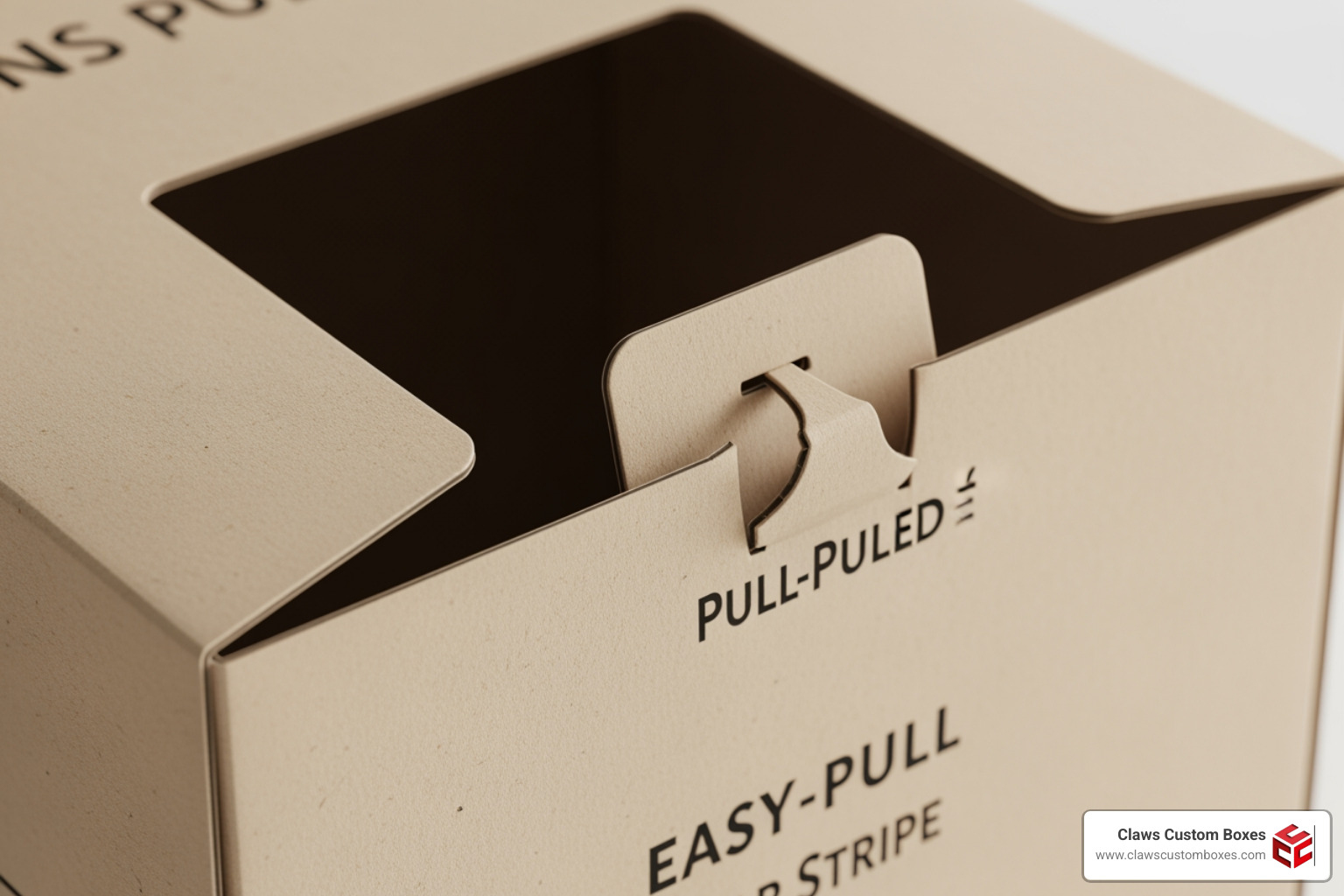
You can choose from various Variant Tuck Styles or Lock Bottom Tuck Styles to find the perfect closure. The Reverse Tuck Style is a classic for cosmetics, while custom Label Styles can be die-cut to wrap over a cap, serving as both branding and a tamper-evident seal.
Overcoming Challenges in 2026 Structural Design
While structural innovations in custom die-cut packaging offer endless creativity, they do come with engineering hurdles. The biggest challenge is maintaining compression strength. When you cut a large window into a box, you naturally weaken the walls.
To solve this, we use “Mechanical Support Balanced Design.” This involves placing hidden support beams — essentially extra folds or reinforced corners — that are invisible to the consumer but keep the box rigid. Our goal is to keep any reduction in strength to within 5%, ensuring your product stays safe during transit.
Another challenge is material waste. We use AI-driven nesting layouts to fit as many boxes as possible onto a single sheet of material. This “nesting” reduces waste and lowers your cost-per-unit.
Finally, we balance cost-efficiency by choosing the right tech for the job. For bulk orders (usually over 2,000 units), steel-rule die-cutting offers the best ROI. For small batches or highly intricate “one-off” designs, digital laser cutting is the better choice because it requires no physical die, saving you the initial tooling cost.
Frequently Asked Questions about Die-Cut Structures
How do complex die-cuts affect the structural integrity of a box?
While cut-outs can potentially weaken a structure, we use structural physics to compensate. By adding hidden support beams and reinforcing load-bearing corners, we ensure that even boxes with large windows maintain their compression strength. We aim to keep any strength loss under 5%, which is negligible for most shipping and retail environments.
What is the difference between steel-rule and digital laser die-cutting?
Steel-rule die-cutting involves creating a physical tool (the die) and is extremely cost-effective for large runs (over 2,000 units) because the production speed is very high. Digital laser cutting uses a laser beam to cut the material based on a digital file. It has no “tooling” cost, making it perfect for small batches (under 500 units) or prototypes, though it is slower for mass production.
How does die-cutting contribute to sustainable packaging goals?
Die-cutting is a sustainability hero! It allows us to create “single-material” designs where the box and the insert are made from the same recyclable paperboard. Because we can engineer secure locking tabs, many of our designs are “glue-free” and “tape-free.” Furthermore, advanced nesting software ensures we use every possible square inch of the material, significantly reducing raw material waste.
Conclusion
At Claws Custom Boxes, we believe that packaging should be a silent ambassador for your brand. By leveraging the latest structural innovations in custom die-cut packaging, we help businesses across the USA create containers that are as innovative as the products inside them.
From our manufacturing hub in Michigan, we offer high-quality, eco-friendly solutions at Wholesale Pricing. Whether you need a simple mailer or a complex, multi-layered retail kit, our team provides 24/7 support, free shipping, and tailored designs to ensure your vision comes to life. Let us help you turn a standard box into a structural masterpiece that your customers will love to open.
 ✦ Written byThe Claws Custom Boxes packaging teamStructural designers and print specialists helping brands get boxes right the first time.
Ask an expert
✦ Written byThe Claws Custom Boxes packaging teamStructural designers and print specialists helping brands get boxes right the first time.
Ask an expert