Why Beauty Packaging Trends 2026 Matter for Your Brand Right Now
The Beauty Packaging Trends 2026: What Top Cosmetic Brands Are Doing Differently show a clear shift: packaging is no longer just a container — it’s a brand’s most powerful sales tool.
Here’s a quick summary of what’s changing:
- Eco-Luxe Materials – Biodegradable paperboard, marine-safe materials, and refillable systems are replacing single-use plastic.
- Tactile Sensory Finishes – Matte coatings, velvet lamination, and embossed logos create emotional connections before a product is even opened.
- Smart Digital Packaging – QR codes and NFC chips turn boxes into interactive storytelling tools and compliance assets.
- Modular and Refillable Systems – Travel-size formats and refill pouches meet growing consumer demand for convenience and sustainability.
- Quiet Luxury Minimalism – Clean lines, soft pastels, and restrained typography signal premium quality without visual clutter.
The stakes are high. The global beauty market is worth $450 billion and is expected to grow 5% annually through 2030. Over 70% of Gen Z discover beauty products on social media first — meaning your packaging has to look just as good on a phone screen as it does on a shelf.
Packaging that fails to perform across retail, social media, and unboxing moments is packaging that costs you sales.
I’m Max Anderson, a backlink building and content specialist with hands-on experience covering packaging strategy and beauty industry trends, including how Beauty Packaging Trends 2026: What Top Cosmetic Brands Are Doing Differently are reshaping decisions for small and mid-sized brands. Read on for a practical breakdown of every major trend — and how you can apply them without blowing your budget.
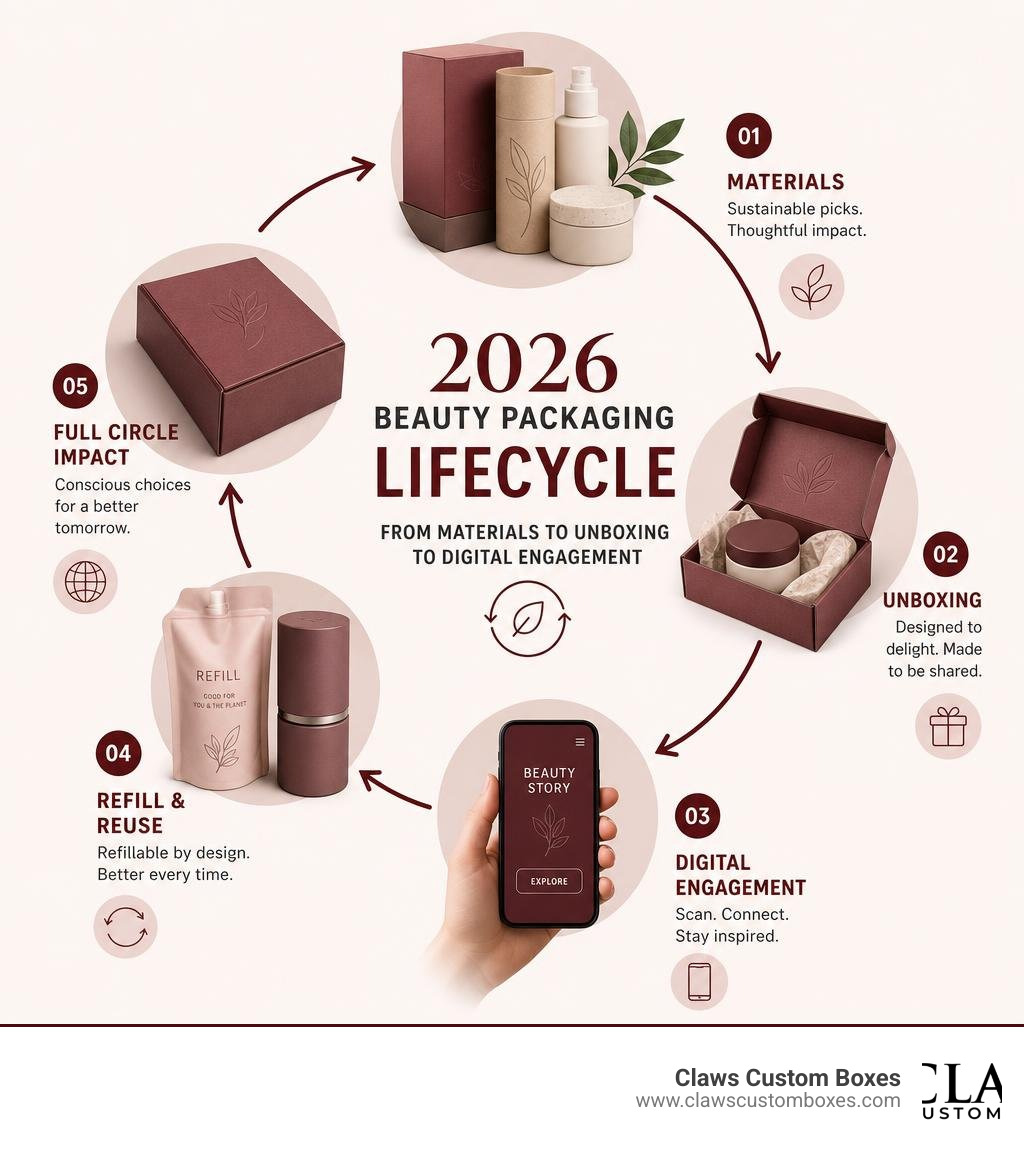
The Top 5 Beauty Packaging Trends 2026: What Top Cosmetic Brands Are Doing Differently

As we navigate the retail and digital landscape of 2026, packaging has transitioned from a downstream operational cost to an upstream branding powerhouse. Leading beauty labels are realizing that visual differentiation is the ultimate factor determining fast sell-through in a crowded beauty aisle.
According to industry insights on the Top 5 Cosmetics Packaging Trends, the industry is moving rapidly toward high-performance, emotionally resonant packaging formats. Consumers are no longer satisfied with generic, over-packaged plastic bottles. Instead, they reward brands that design with tactile quality, environmental responsibility, and functional intelligence in mind.
To understand why these shifts are happening, we must look at Packaging for Cosmetic Industry dynamics. In a market where physical touchpoints are increasingly rare due to the rise of e-commerce—projected to account for nearly one-third of global beauty sales by 2030—the box your product arrives in is the only physical guarantee of quality, trust, and delight. Let’s explore the five major trends defining this year’s cosmetic landscape.
Trend 1: Eco-Luxe Materials and the Blue Beauty Movement
Sustainability is no longer a marketing differentiator; it is the absolute baseline. Modern beauty consumers are incredibly skilled at sniffing out greenwashing or superficial ecological claims. In response, top brands are shifting toward “Blue Beauty”—a movement focused on protecting oceans through marine-safe, biodegradable, and circular materials.
We are seeing a massive transition from virgin plastics to paper-based alternatives, molded fiber, and bioplastics sourced from bamboo or sugarcane. Most major cosmetic companies have committed to reducing their virgin plastic footprint by 30% to 50% by 2026.
By utilizing premium Custom Cosmetic Boxes made from FSC-certified paperboard and natural kraft materials, brands can completely eliminate unnecessary plastic inserts. Today’s advanced pressed-fiber molds and structural paperboard designs can hold delicate glass jars and cosmetic tubes securely, reducing plastic usage in secondary packaging by up to 60%.
Trend 2: Tactile Finishes and Sensory Unboxing Experiences
In 2026, the sensory appeal of a box is just as important as its visual design. Brands are investing heavily in touch-first branding to build immediate emotional connections during the unboxing process.
Some of the most popular finishes we are designing for brands this year include:
- Velvet Lamination & Soft-Touch Coatings: These finishes resist fingerprints while giving the box a smooth, premium feel that begs to be held.
- Selective Embossing & Debossing: Raising or lowering specific graphic elements, such as logos or floral patterns, adds physical depth and high-end texture.
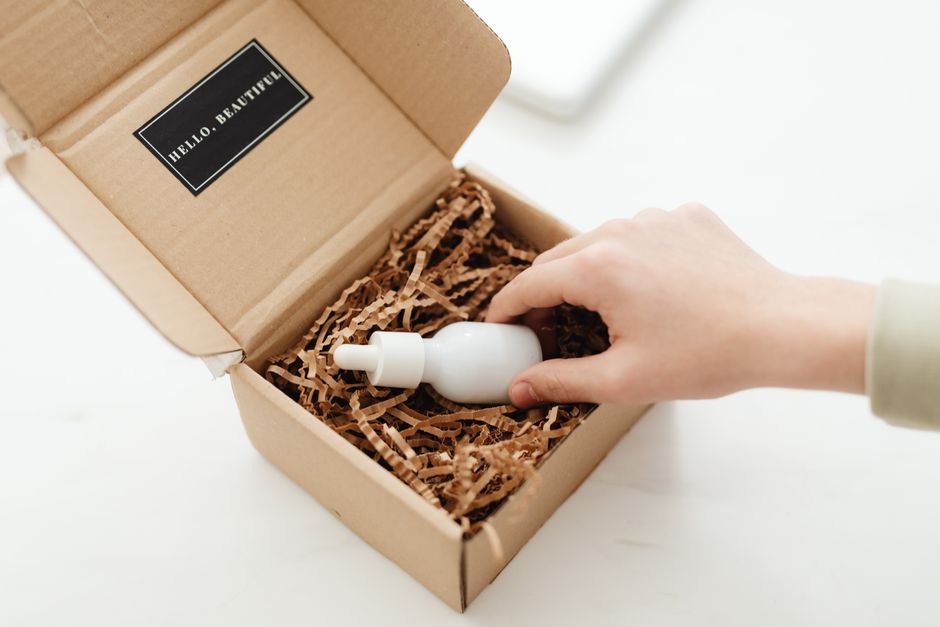
- Sound Design: The satisfying “snap” of a magnetic closure or the clean friction of a rigid drawer slide conveys luxury and quality far better than a rattling plastic lid.
By combining contrasting textures—like a high-gloss spot UV pattern over an ultra-matte background—brands create physical unboxing rituals that consumers love to record and share on social media.
Trend 3: Smart Packaging and Digital Product Passports
The physical and digital retail worlds have officially merged. Smart packaging has transitioned from a sci-fi gimmick into an essential tool for transparency, compliance, and consumer engagement.
By embedding QR codes and NFC chips directly into custom box designs, brands are turning their packaging into interactive portals. A simple scan can reveal:
- Detailed ingredient sourcing and clinical efficacy data.
- Step-by-step video tutorials and personalized shade-matching tools.
- Exclusive loyalty rewards and instant reorder buttons.
This digital layer is highly effective; industry data reveals that brands using NFC-embedded boxes experience up to a 40% higher engagement rate. As explored in the analysis of From Shelf to Swipe-Up: How Packaging Drives Beauty Sales in 2026, this integration turns passive shoppers into active community members, bridging the gap between physical retail and digital virality.
Trend 4: Modular Travel Sets and Refillable Convenience Systems
With the return of global travel and busy, on-the-go lifestyles, consumers are demanding beauty products that offer both portability and flexibility. Modular travel sets and refillable convenience systems are the answer.
Instead of buying entirely new products, shoppers are investing in high-quality, durable outer cases (often made of aluminum, heavy glass, or premium PCR plastic) and purchasing smaller, lightweight refill cartridges or pouches. This approach is highly sustainable, with refillable packaging systems reducing overall waste by 50% to 80% per product unit.
Modular packaging also allows consumers to mix and match their favorite products—such as nesting a cleanser, serum, and moisturizer into a single, cohesive travel tray. By offering interchangeable components, brands can drive repeat purchases of refill cartridges while making daily routines simpler for the consumer.
Trend 5: Quiet Luxury and Minimalist Typography
The era of loud, over-designed, and hyper-ornamented packaging is giving way to “Quiet Luxury.” Influenced by a desire for calm and clarity, top cosmetic brands are stripping away visual noise in favor of elegant restraint.
This aesthetic relies on:
- Clean Lines and Negative Space: Giving design elements room to breathe, which instantly elevates the perceived value of the product.
- Soft, Sophisticated Palettes: Moving away from neon colors toward muted earth tones, soft pastels, warm sands, and delicate stone shades.
- Minimal Typography: Using single, refined fonts to convey essential information rather than crowding the box with marketing claims.
Quiet luxury packaging relies on the weight, structural integrity, and tactile finish of the box to communicate premium quality. It is a confident design approach that stands out on crowded retail shelves by simply refusing to shout.
Balancing Sustainability, Compliance, and Premium Aesthetics

One of the greatest challenges cosmetic brands face in 2026 is balancing strict environmental regulations with the need for high-end, luxury shelf appeal. Historically, sustainable packaging was viewed as dull, brown, and uninspiring. Today, that compromise no longer exists.
As discussed in The Beauty Packaging Trends Set to Define 2026 | BeautyMatter, the convergence of compliance and luxury aesthetics is driving incredible material innovation. Advanced manufacturing techniques allow molded fiber, agricultural waste papers, and recycled boards to accept high-end finishes like soy-based inks, non-plastic laminates, and metallic foil stamping. Brands can now achieve a stunning, high-end look while remaining completely compliant with global sustainability mandates.
Navigating Global Regulations in Beauty Packaging Trends 2026: What Top Cosmetic Brands Are Doing Differently
Navigating the shifting regulatory landscape is a top priority for packaging designers this year. Governments worldwide are cracking down on packaging waste, forcing beauty brands to audit their entire supply chains.
- The EU Packaging and Packaging Waste Regulation (PPWR): By August 2026, the European Union requires all packaging to be labeled with clear material identification and disposal instructions. Additionally, strict recycling classes are being phased in, pushing brands to design for circularity from day one.
- Extended Producer Responsibility (EPR) Laws: More US states are implementing EPR laws, making brands financially responsible for the post-consumer life of their packaging. This is driving a massive push toward mono-material packaging (using a single material, like 100% paperboard, for the entire box and insert) to ensure effortless recyclability.
- US State-Level Mandates: States like California are leading the charge, requiring all packaging distributed within the state to be fully recyclable or compostable by 2032.
To stay ahead, smart brands are using digital solutions like QR codes to host Digital Product Passports (DPPs), providing verified material sourcing, carbon footprint labels, and recycling instructions directly to consumers and regulators.
The K-Beauty Influence: Speed, Scalability, and Stock Customization
The rapid rise of South Korean beauty (K-beauty) has completely rewritten the playbook for product development and packaging innovation in the West. US cosmetics imports from South Korea surged more than 50% year-over-year in 2024, cementing Korea as a dominant force in the global beauty market. Between 2020 and 2025, Korean-made skincare launches in the US grew by 20%, while domestically manufactured alternatives declined.
According to the analysis of Cosmoprof 2026 Packaging Trends Hitting Retail, K-beauty’s primary competitive advantage is its lightning-fast launch cadence. While traditional Western brands often plan on 12-to-18-month innovation cycles, K-beauty brands frequently operate on a quarterly launch schedule.
To achieve this incredible speed without sacrificing design quality, brands are moving away from expensive, time-consuming custom molds. Instead, they are utilizing high-quality stock components and heavily customizing them through advanced decoration techniques, unique colorways, tactile coatings, and custom-designed secondary outer boxes. This allows brands to launch limited drops and respond to viral social media trends in real time.
Overcoming Manufacturing Tension in Beauty Packaging Trends 2026: What Top Cosmetic Brands Are Doing Differently
Operating at high speeds while maintaining supply chain scalability creates natural operational tensions. High-performing beauty brands are overcoming these bottlenecks by fundamentally changing how they manage their packaging programs.
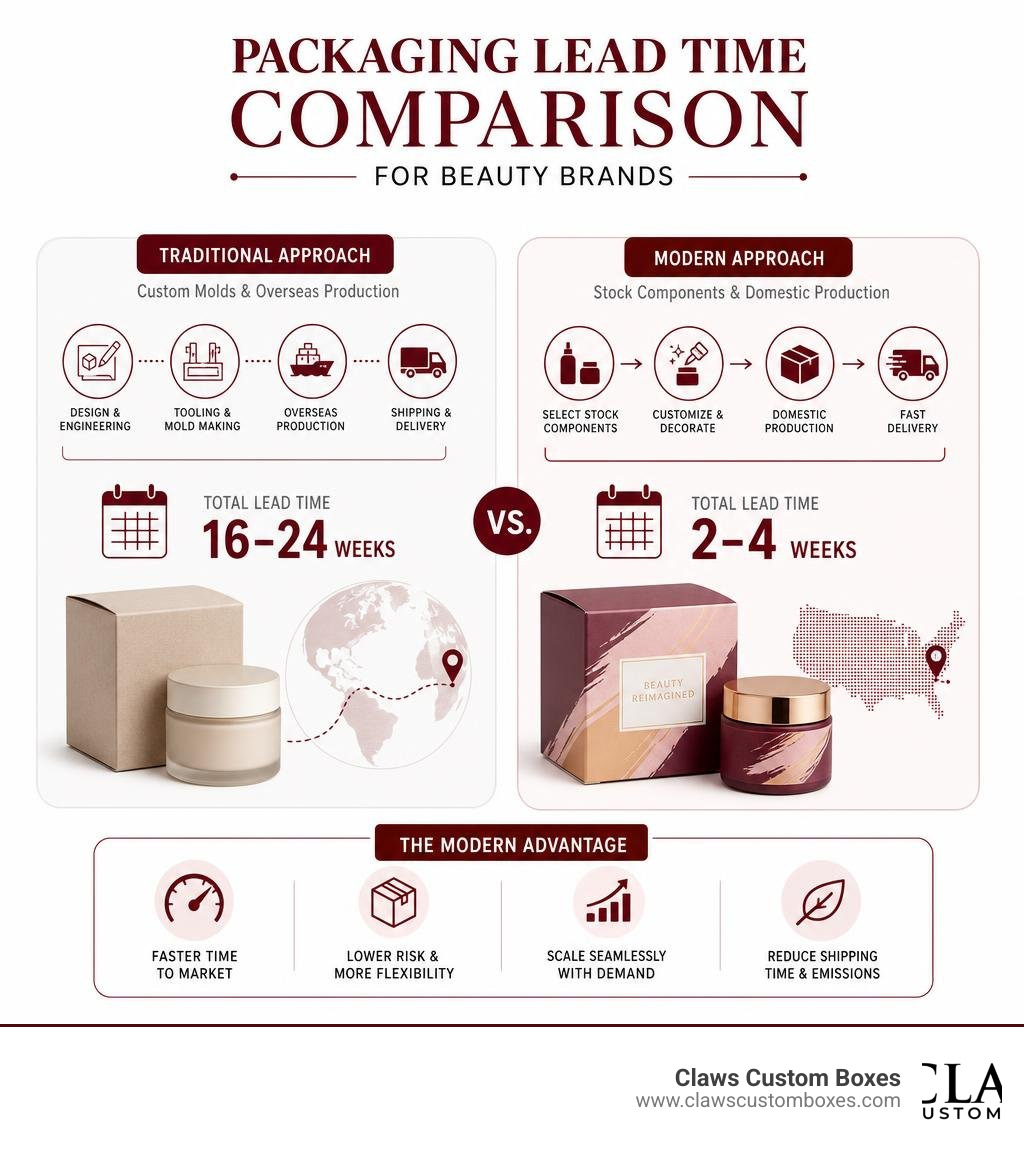
To minimize delays, brands are consolidating vendors and standardizing their core packaging shapes. Instead of designing a completely unique box for every single cream, serum, or lipstick, brands are using modular outer boxes with custom-engineered inserts.
By partnering with a reliable, domestic partner like us at Claws Custom Boxes, brands can secure premium, tailored Cosmetic Packaging with fast turnaround times and low minimum order quantities (MOQs). This domestic agility allows beauty brands to test new formats, launch limited-edition collections, and scale production seamlessly without the long lead times and high shipping risks of overseas manufacturing.
Frequently Asked Questions about Beauty Packaging Trends
How do refillable packaging systems reduce cosmetic waste?
Refillable systems utilize a durable, high-quality outer container designed to last for years, paired with lightweight, replaceable inner cartridges or pouches. By only replacing the inner vessel when the product runs out, brands can reduce plastic and material waste by 50% to 80% per unit. This supports a circular economy and encourages long-term customer loyalty.
What is a Digital Product Passport (DPP) in cosmetic packaging?
A Digital Product Passport is a digital record linked to a physical product via a QR code or NFC chip. It provides transparent information regarding material sourcing, carbon footprint, chemical safety, and recycling instructions. In addition to helping brands comply with emerging global regulations, DPPs build deep consumer trust by offering verifiable proof of sustainability claims.
How can brands balance fast launch cycles with sustainable packaging?
Brands can balance speed and sustainability by utilizing standardized, eco-friendly stock packaging components and customizing them through secondary packaging. By using 100% recyclable, FSC-certified paperboard boxes with custom inserts, brands can create a highly premium, unique unboxing experience without waiting months for custom plastic or glass molds to be manufactured.
Conclusion
The landscape of Beauty Packaging Trends 2026: What Top Cosmetic Brands Are Doing Differently proves that packaging is no longer just a protective shell. It is an interactive, tactile, and highly regulated extension of your brand’s identity. Whether you are aiming to capture Gen Z’s attention on social media, navigate strict global recycling laws, or scale your business with K-beauty-level speed, your choice of packaging partner is critical.
At Claws Custom Boxes, we specialize in helping beauty brands of all sizes navigate these trends seamlessly. From our facility in Farmington MI, Michigan USA, we manufacture high-quality, eco-friendly custom packaging boxes with logos at wholesale prices for businesses across the country. We pride ourselves on offering tailored designs, 24/7 customer support, free shipping, and premium sustainable materials to elevate your brand’s retail presence.
Ready to design your next viral unboxing experience? Explore our Cosmetic Boxes with Logo or browse our full range of custom solutions on our Best Cosmetic Boxes page. Let’s work together to build packaging that protects your formula, delights your customers, and respects the planet!
 ✦ Written byThe Claws Custom Boxes packaging teamStructural designers and print specialists helping brands get boxes right the first time.
Ask an expert
✦ Written byThe Claws Custom Boxes packaging teamStructural designers and print specialists helping brands get boxes right the first time.
Ask an expert