Why Airtight Biodegradable Packaging Is the Smartest Switch Your Brand Can Make
Airtight biodegradable packaging is flexible or rigid packaging that creates a sealed barrier against oxygen, moisture, and contaminants — while being made from compostable or bio-based materials that break down after use, unlike traditional plastic that can persist for 500+ years.
Here’s a quick snapshot of what it covers:
| Feature | Airtight Biodegradable Packaging |
|---|---|
| Materials | PLA, PBAT, corn starch, cellulose film, kraft + PLA |
| Barrier protection | Moisture, oxygen, and grease resistant |
| Decomposition | 6–24 weeks (industrial); up to 1 year (home compost) |
| Key certifications | BPI, OK Compost, ASTM D6400, EN 13432 |
| Common formats | Stand-up pouches, zip bags, sachets, takeout containers, air pillows |
| Best for | Dry foods, snacks, coffee, electronics, takeout, e-commerce shipping |
Brands today are under real pressure. Customers want sustainable packaging and products that stay fresh. Regulators are tightening rules on single-use plastic. And the old answer — cheap plastic wrap — is no longer good enough.
The good news? Compostable packaging has caught up. Certified compostable films can now match conventional plastic’s barrier performance, keeping snacks, coffee, and pantry staples fresh while giving your packaging a second life in a compost bin instead of a landfill.
I’m Max Anderson, a packaging and link-building strategist who has spent years researching sustainable material innovations, including airtight biodegradable packaging solutions for small and medium-sized consumer brands. In this guide, I’ll walk you through everything you need to make a confident, informed switch.
Defining Airtight Biodegradable Packaging vs. Traditional Plastic
When we talk about traditional plastic, we are usually discussing fossil-based polymers like Polyethylene (PE) or Polypropylene (PP). These materials are incredibly durable, which is their greatest strength and their worst environmental flaw. They can take up to 500 years to break down, often fragmenting into microplastics that haunt our ecosystems.
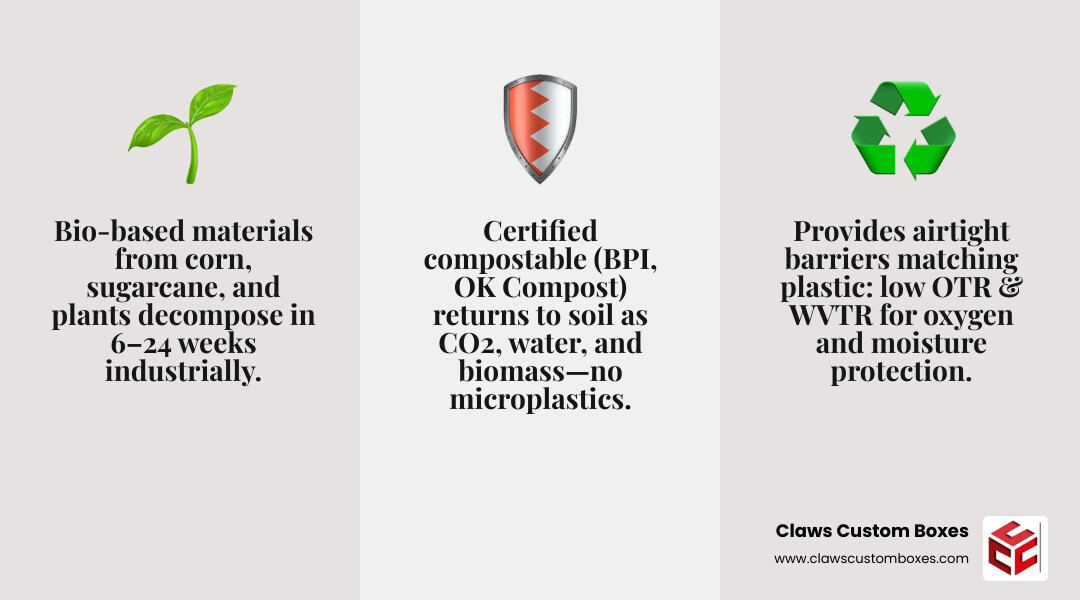
In contrast, airtight biodegradable packaging is designed for a circular economy. These materials are often bio-based, meaning they originate from renewable plant resources like corn, sugarcane, or even seaweed. Unlike traditional plastic, they are designed to return to the earth as CO2, water, and biomass.
The “airtight” part is the real game-changer. Historically, eco-friendly bags were “breathable,” which meant your crackers went stale in a week. Modern innovations have allowed us to create high-barrier films that lock out oxygen and moisture just as effectively as fossil-fuel plastics. This shift is essential because why is there a need for eco-friendly boxes in this modern era? In May 2026, the answer is clear: consumers no longer view sustainability as a “bonus”—they view it as a requirement for brand loyalty.
Key Materials and Barrier Properties of Airtight Biodegradable Packaging
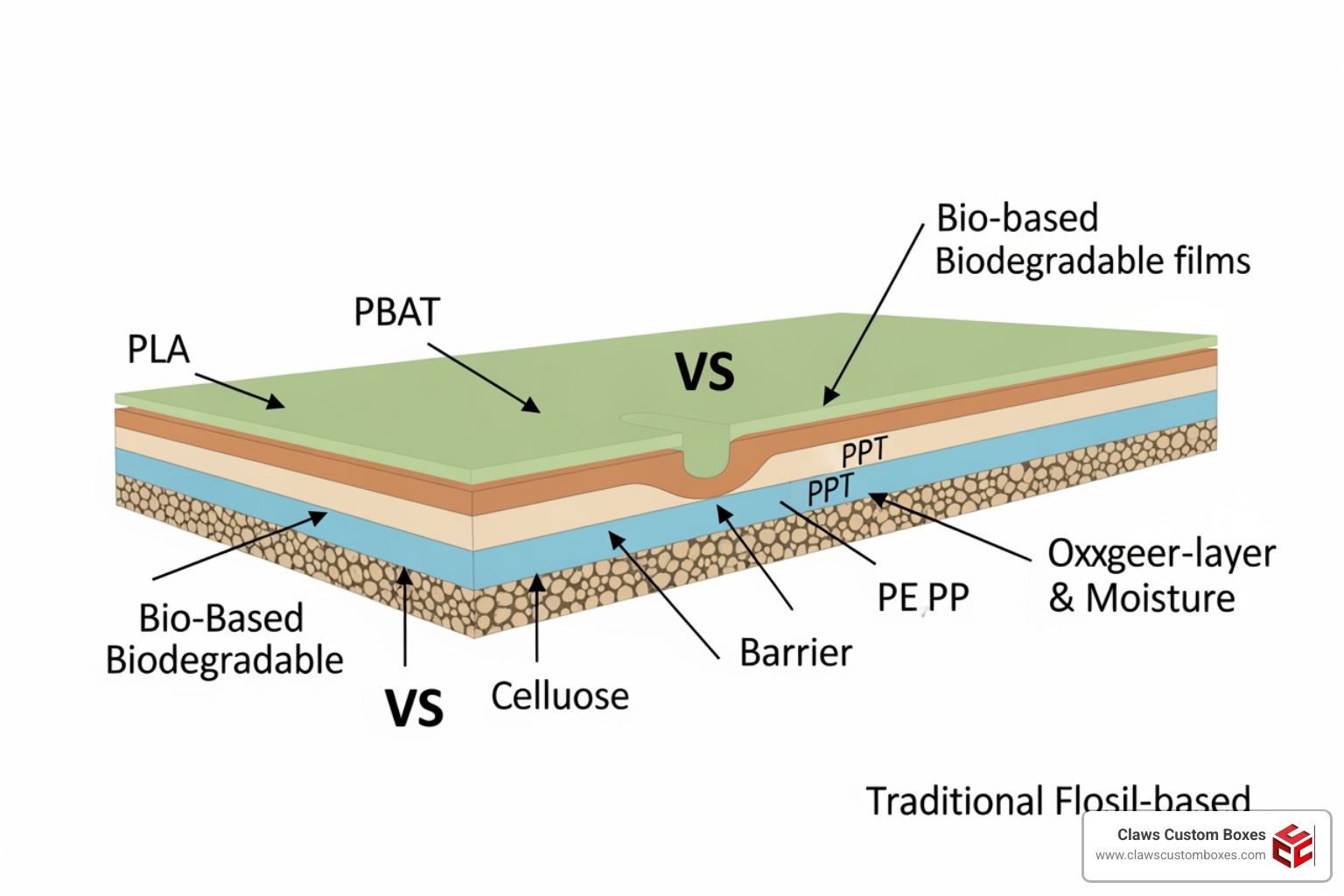
To achieve a true airtight seal, we rely on a sophisticated blend of materials. We don’t just use one “magic” plant; we use science-backed polymers that provide specific protections.
- PLA (Polylactic Acid): Derived from fermented plant starch (usually corn or rice), PLA is the backbone of many clear compostable films. It is excellent for structural integrity.
- PBAT: Often blended with PLA, this biodegradable polymer adds flexibility and toughness, making the packaging less brittle.
- Cellulose Film: Made from wood pulp, this material offers a natural look and can be coated to provide high moisture barriers.
- Bio-based Starch: Often used in air cushions and protective wraps, starch-based materials are frequently home-compostable.
At Claws Custom Boxes, we focus on Green Packaging solutions that don’t compromise on the technical specs. To understand how these materials stack up, look at the barrier levels required for shelf-stable goods:
| Material Type | Oxygen Transmission Rate (OTR) | Water Vapor Transmission (WVTR) | Best Use Case |
|---|---|---|---|
| High-Barrier PLA/Kraft | Very Low (0.2) | Moderate (160) | Coffee, Nuts, Granola |
| Standard Bio-Polymer | Moderate | Moderate | Apparel, Dry Snacks |
| Traditional Plastic (PE) | Low | Very Low | Long-term storage |
How Airtight Biodegradable Packaging Protects Perishables
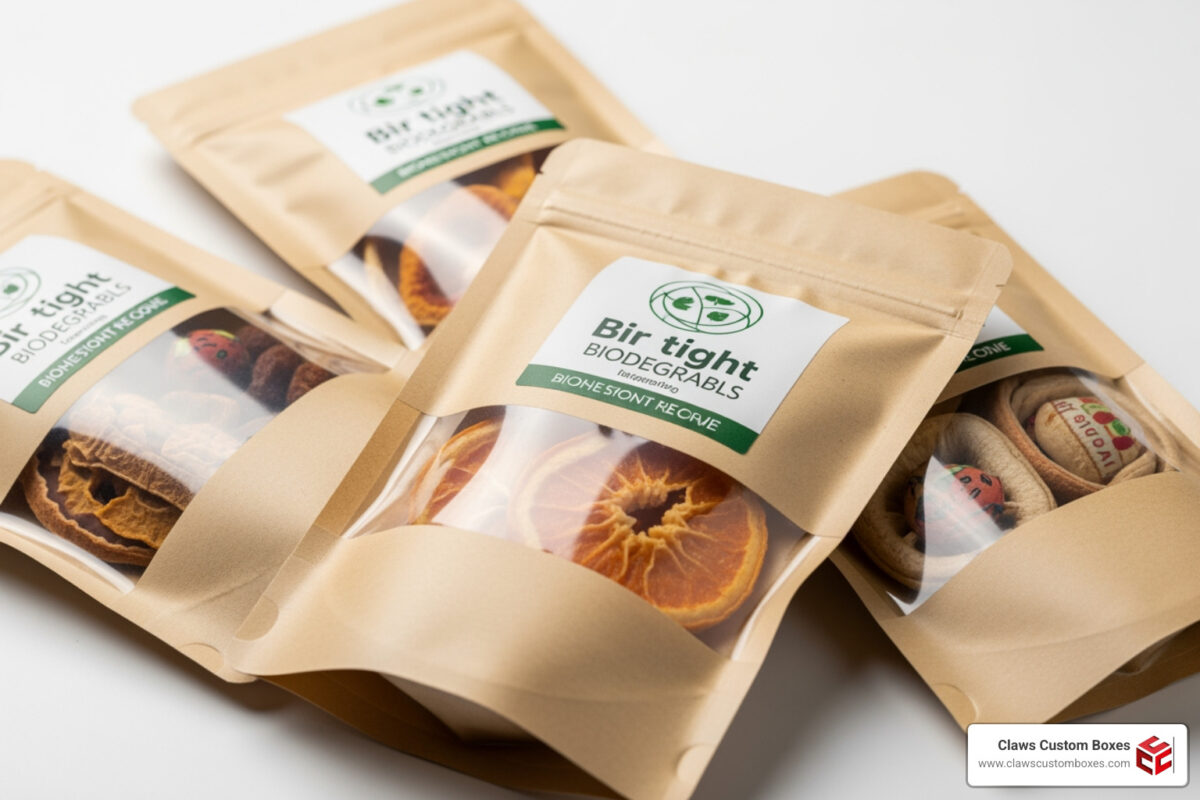
The secret to keeping food fresh lies in the seal. For dry foods like crunchy nut flakes or organic tea, moisture is the enemy. Airtight biodegradable packaging uses multi-layer lamination—often combining kraft paper with a PLA lining—to create a fortress against the elements.
These materials offer:
- Oxygen Barrier: Prevents oxidation, which keeps oils in nuts and coffee from going rancid.
- Moisture Resistance: Ensures that “crunchy” stays crunchy and “powdered” stays flowable.
- Grease Resistance: Essential for snacks and takeout, preventing unsightly oil spots from seeping through the bag.
For brands needing reliable daily storage solutions, Airtight Resealable Zip Bags offer a 2-mil thickness that provides waterproof and dust-proof protection without a drop of petroleum-based plastic.
Customization Options for Airtight Biodegradable Packaging
Switching to eco-friendly materials doesn’t mean your brand has to look “boring.” In fact, modern printing technology allows for vibrant, high-definition designs.
- Digital and Gravure Printing: We can print up to 10 colors using eco-friendly inks (like algae-based pigments) to make your logo pop.
- Resealable Zippers: High-quality compostable zippers ensure the airtight seal remains effective even after the customer first opens the bag.
- Side Gussets and Stand-up Pouches: These designs provide more volume and better shelf presence.
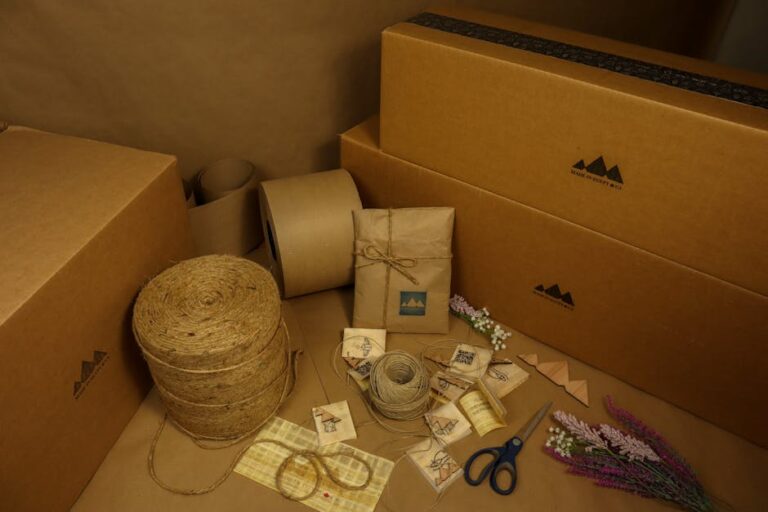
- Kraft Integration: Many brands choose Kraft Boxes or kraft-laminated pouches for that “organic” tactile feel that customers associate with premium, sustainable products.
Top Applications for Sustainable Airtight Solutions

Where do we see airtight biodegradable packaging making the biggest impact in 2026? It’s everywhere from the pantry to the post office.
- Dry Foods and Snacks: Stand-up pouches are the gold standard for granola, dried fruit, and protein bars. These pouches use durable seals to maintain shelf life comparable to traditional plastic.
- Coffee and Tea: Because coffee is highly sensitive to oxygen, high-barrier compostable bags with one-way valves are essential for preserving those delicate aromatics.
- Electronics Protection: Fragile components need dust-proof, moisture-proof environments. Biodegradable zip bags and air column wraps provide this protection during shipping.
- Takeout and Food Service: From sugarcane-based containers to PLA-lined paper bowls, the restaurant industry is moving away from styrofoam. These solutions are perfect for hot carry-out meals and salads.
- E-commerce Logistics: Protective packaging has seen a massive shift. Instead of bulky bubble wrap, brands are using Eco-Friendly Packaging like biodegradable air pillows that arrive flat and are inflated on-site, saving massive amounts of shipping space.
Certifications and Decomposition Timelines
You shouldn’t just take a supplier’s word for it—look for the stamps of approval. Certifications are the only way to prove to your customers that your packaging will actually disappear as promised.
- BPI (Biodegradable Products Institute): This is the leading North American certification for compostable materials, specifically validating that products meet ASTM D6400 standards.
- OK Compost (Home vs. Industrial): “OK Compost Industrial” means it needs the heat of a professional facility. “OK Compost Home” means your customer can literally toss it in their backyard bin.
- EN 13432: The European standard for compostability, ensuring the material breaks down without leaving toxic residues.
How long does it take?
- Industrial Composting: Usually takes 6 to 12 weeks. These facilities reach high temperatures that accelerate the breakdown.
- Home Composting: Can take anywhere from 24 weeks to 1 year, depending on the material and the health of the compost pile.
- Protective Wraps: Advanced solutions like Compostable Air Column Wrap are 100% compostable and certified to leave no microplastics behind.
Economic and Environmental Impact (2026 Data)
Sustainability is no longer just a “feel-good” metric; it’s a financial one. In 2026, the data shows that going green can actually improve your bottom line.
Consider the shipping efficiency of biodegradable air pillows. Because they are shipped flat, they offer a 90% reduction in shipping volume compared to pre-inflated plastic cushioning. This doesn’t just lower your carbon footprint; it slashes transportation costs.
Recent industry data highlights the massive scale of this shift:
- Material Efficiency: Some biodegradable films use up to 76% less material than traditional bubble wrap, leading to roughly 63% cost savings on high-volume orders.
- Waste Reduction: In 2025 alone, major eco-packaging initiatives helped avoid over 41 million lbs of GHG emissions and saved millions of gallons of water.
- Strength: Don’t fear for your products—biodegradable air columns have been tested to withstand up to 50kg of pressure, offering 40% stronger compressive strength than old-school plastic.
Understanding these metrics is part of seeing the Top 5 Benefits of Green Packaging to the Environment, which include waste reduction, brand trust, and regulatory compliance.
Frequently Asked Questions about Sustainable Seals
Is airtight biodegradable packaging freezer safe?
It depends on the specific material blend. While many compostable films can handle cold temperatures, some bio-plastics can become brittle and crack if frozen for long periods. If you need freezer-safe options, always request a material datasheet to ensure the polymer is rated for sub-zero use.
How long does it take to decompose in a home compost?
Most certified home-compostable bags, such as those made from starch or cellulose, will fully decompose within 12 months. However, this depends on the “health” of your compost—moisture, heat, and microbial activity all play a role. Industrial compostable items will not break down quickly in a backyard bin and should be sent to a municipal facility.
Can these materials handle high-heat food applications?
Yes, but you must choose the right material. For example, BioPBS is a bio-based polymer that can withstand temperatures up to 100°C (212°F), making it suitable for hot food containers. Standard PLA, however, may soften at much lower temperatures (around 45-50°C), so it is better suited for cold or room-temperature goods.
Conclusion
The transition to airtight biodegradable packaging is more than a trend—it’s a fundamental shift in how we do business in Michigan and across the USA. By choosing materials that protect your product while respecting the planet, you build a brand that customers can trust for the long haul.
At Claws Custom Boxes, we pride ourselves on being more than just a manufacturer. We are your partners in sustainability. Based in Farmington, MI, we offer tailored designs, 24/7 support, and wholesale pricing that makes the “eco-friendly switch” affordable for businesses of all sizes. We understand the Importance of using custom eco-friendly boxes and their beneficiary impacts on a brand, from reducing your carbon footprint to delighting your customers at the unboxing stage.
Ready to lead your industry with packaging that performs? Order your custom eco-friendly packaging today and let us help you seal in freshness while sealing out waste.
 ✦ Written byThe Claws Custom Boxes packaging teamStructural designers and print specialists helping brands get boxes right the first time.
Ask an expert
✦ Written byThe Claws Custom Boxes packaging teamStructural designers and print specialists helping brands get boxes right the first time.
Ask an expert