Why the Packaging Industry Is Talking About Foldable Rigid Boxes in 2026
Why brands prefer foldable rigid packaging in 2026 comes down to one powerful combination: luxury aesthetics at a fraction of the logistics cost.
Here is a quick summary:
| Reason | What It Means for Your Brand |
|---|---|
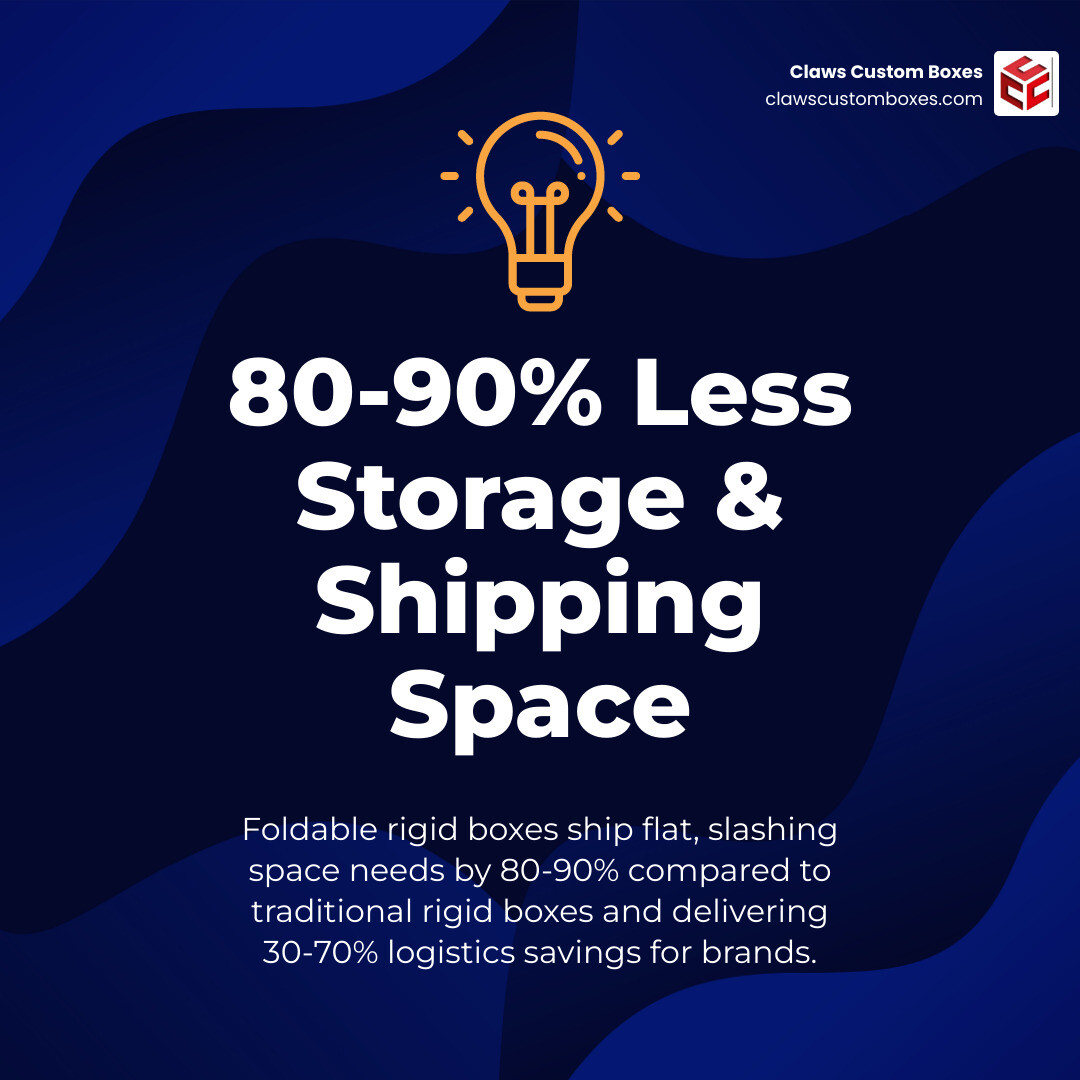
| Space savings | Flat-packed boxes use up to 80-90% less storage and shipping space |
| Lower freight costs | Logistics savings of 30-70% compared to traditional rigid boxes |
| Premium look | Identical appearance to traditional rigid boxes once assembled |
| Customization | Supports foil stamping, embossing, magnetic closures, and more |
| Sustainability | Fewer shipments mean lower carbon emissions and less waste |
| Unboxing experience | Drives social sharing, repeat purchases, and brand loyalty |
Traditional rigid boxes have always signaled luxury. But they come with a painful hidden cost — you are essentially paying to ship air. A standard container that holds thousands of assembled rigid boxes can hold several times more foldable versions shipped flat. For small business owners managing tight budgets and warehouse space, that difference is significant.
In 2026, brands no longer have to choose between a premium box and an efficient one. Foldable rigid packaging delivers both.
I’m Adam, a link-building specialist with years of experience researching packaging trends and understanding why brands prefer foldable rigid packaging in 2026 and beyond. In the sections below, I’ll walk you through everything — from cost savings and design options to real-world use cases — so you can make the smartest packaging decision for your brand.
Why Brands Prefer Foldable Rigid Packaging in 2026 terms to remember:
Understanding the Shift: Why Brands Prefer Foldable Rigid Packaging in 2026
To understand why the market is moving this way, we first need to look at the tech behind the box. Many people ask, what is a rigid box? Simply put, it is a high-end packaging solution made from heavy-duty paperboard (usually 800gsm to 1800gsm) that doesn’t collapse or bend like a standard cereal box. Traditionally, these were “setup boxes”—shipped to you fully formed and taking up massive amounts of room.
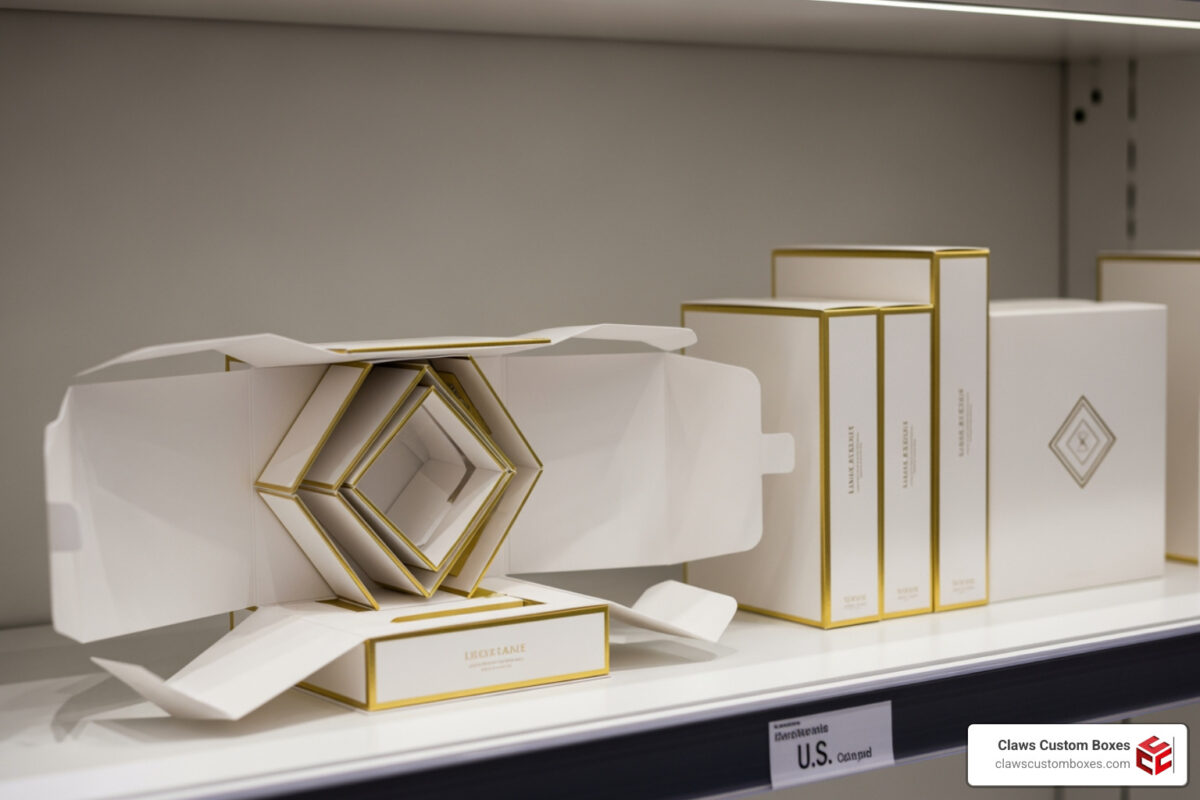
In 2026, the game has changed. Foldable rigid boxes use advanced V-slotting technology and precision scoring. This allows the thick greyboard to fold flat during transit without cracking or losing its structural integrity. When you’re ready to use it, the box “pops up” into a sturdy, 90-degree angle structure that feels just as solid as a traditional one.
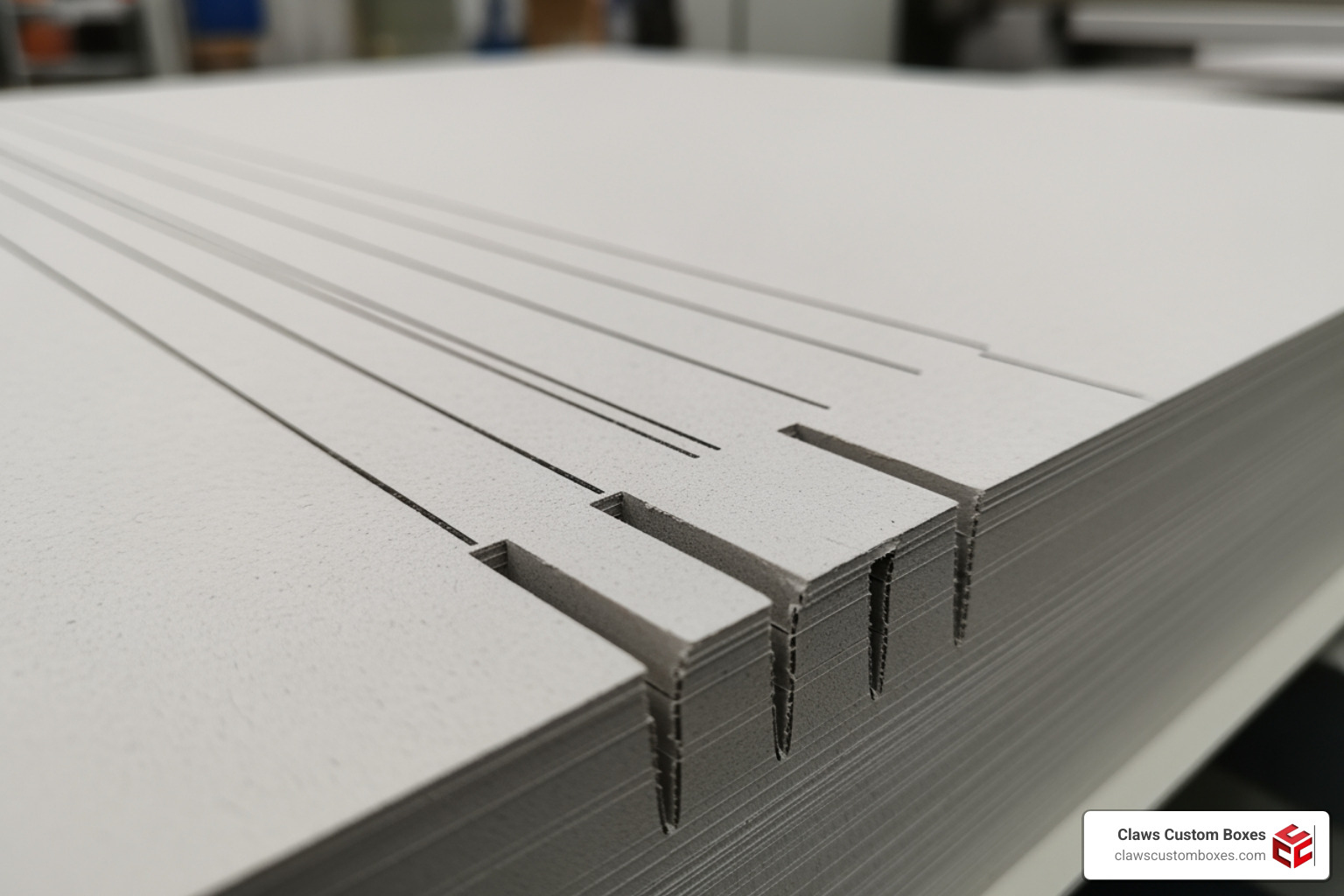
According to 8 Rigid Packaging Trends That Will Dominate Luxury Markets in 2026, the marriage of high-density paperboard with collapsible mechanics is the top innovation for the year. Brands are shifting because they get the “wow” factor of a heavy, premium box without the “ouch” factor of a massive warehouse bill.
The Economic Impact of Logistics and Storage Efficiency
Let’s talk numbers, because that’s where the real magic happens. If you are a brand owner, you know that “shipping air” is the fastest way to drain your budget. Traditional rigid boxes are bulky. If you order 10,000 of them, you might need a full 40HQ container or 20 pallets.
With collapsible rigid boxes, those same 10,000 units can often fit onto just 2 to 4 pallets.
| Feature | Traditional Rigid Box | Foldable Rigid Box |
|---|---|---|
| Shipping State | Fully Assembled | Flat-Packed |
| Storage Space | 100% Volume | 10-20% Volume |
| Units Per Pallet | ~200-500 | ~2,000-4,000 |
| Logistics Cost | High (Shipping Air) | Low (Optimized Density) |
By switching to collapsible rigid boxes, brands are seeing logistics savings of 30% to 70%. In fact, a beauty brand importing 10,000 luxury boxes recently reported cutting their freight costs by 45% just by making the switch.
This aligns with 5 packaging industry trends to watch in 2026, where automation and logistics efficiency are listed as top priorities. With on-demand assembly, you only put the box together when the order comes in. This frees up your warehouse floor for actual inventory rather than empty packaging.
Luxury Meets Practicality: Design and Customization Trends
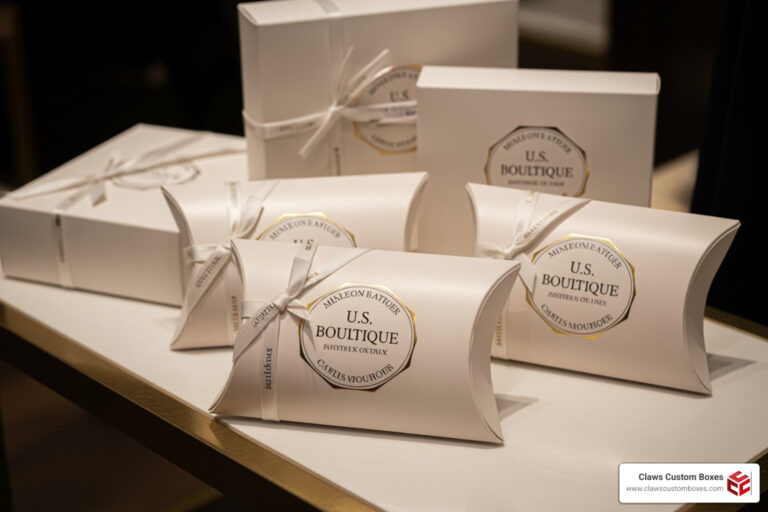
Just because it folds doesn’t mean it’s “cheap.” In fact, luxury collapsible rigid packaging boxes often look more modern than their traditional counterparts. They utilize Neodymium magnets—those small, powerful magnets that provide a satisfying “snap” when the lid closes. This tactile feedback is a huge part of the premium experience.

In 2026, we are seeing a massive surge in specific finishes:
- Soft-touch lamination: Gives the box a velvet-like feel.
- Anti-scratch matte: Keeps the box looking pristine during the “rough and tumble” of e-commerce shipping.
- Spot UV and Embossing: Adds depth and texture to logos.
- Foil Stamping: Gold, silver, and even holographic foils for that “New Year 2026” futuristic look.
Aesthetic Excellence: Why Brands Prefer Foldable Rigid Packaging in 2026 for Unboxing
The unboxing experience is the new TV commercial. When a customer receives custom printed collapsible rigid boxes, the weight and texture of the material send an immediate signal of quality. In 2026, the trend is “Minimalist Luxury”—think neutral palettes, matte finishes, and very clean typography. This style not only looks sophisticated but also reduces ink usage, making it a win for the budget and the planet.
Smart Integration: Why Brands Prefer Foldable Rigid Packaging in 2026 for Tech
We aren’t just talking about paper and glue anymore. Magnetic closure collapsible rigid boxes packaging is now being used as a bridge to the digital world. Brands are embedding:
- QR Codes: Hidden on the inside of the lid to lead customers to assembly videos or exclusive discounts.
- NFC Tags: Allowing customers to tap their phone against the box to verify product authenticity.
- Interactive Inserts: Using the rigid structure to hold tech-heavy items like smartwatches or high-end skincare devices securely.
Industry Applications: Best Use Cases for Collapsible Structures
While almost any brand can benefit, certain industries are leading the charge. Based on our 5 important usages of rigid boxes in the industry, here is who is using them most:
- Cosmetics & Beauty: High-end serums and gift sets love the magnetic closure for a “spa-like” reveal.
- Consumer Electronics: Think headphones, smartphones, and smart home gadgets. The rigid walls provide the necessary protection for delicate tech.
- Apparel & Luxury Fashion: Designer belts, scarves, and shoes are perfectly suited for flat-pack boxes that save room in retail backstocks.
- D2C Subscription Boxes: Since these brands ship frequently, the 30-70% freight savings are a game-changer for their bottom line.
- Influencer PR Kits: Brands use these to ensure the product arrives safely and looks “Instagrammable” the moment it’s opened.
Frequently Asked Questions about Foldable Rigid Packaging
How long does it take to assemble a foldable rigid box?
One of the biggest myths is that these boxes are a hassle to put together. In reality, most feature pre-glued adhesive strips or magnetic panels that allow for assembly in under 10 seconds. You simply peel the backing, pull the walls up, and press. Because quality the priority in rigid boxes, these boxes are designed to stay square and sturdy once assembled.
Are foldable rigid boxes as durable as traditional setup boxes?
Absolutely. By using 1200gsm to 1800gsm greyboard, these boxes offer high compression resistance. They protect products from being crushed during transit just as well as non-foldable rigid boxes. The V-groove hinges are tested to withstand repeated opening and closing without weakening.
How does this packaging support 2026 sustainability goals?
Sustainability is no longer optional. According to Packaging Trends 2026: Sustainable, Smart & Stylish Cartons, reducing the carbon footprint of transport is a major goal. Because you can fit 4-5 times more units in a single shipment, you are effectively cutting the CO2 emissions associated with your logistics by up to 80%. Plus, most of these boxes are made from FSC-certified recycled paperboard.
Conclusion
The shift is clear: Why brands prefer foldable rigid packaging in 2026 is a matter of survival and sophistication. When shipping costs continue to rise and warehouse space is at a premium, the ability to store 1,000 boxes in the space of 100 is an advantage you can’t ignore.
At Claws Custom Boxes, we specialize in helping brands transition to these smart, luxury structures. Whether you need magnetic-closure-boxes for a new jewelry line or high-volume collapsible boxes for an e-commerce store, we offer:
- Wholesale pricing that keeps your margins healthy.
- Eco-friendly, recyclable materials to meet your 2026 green goals.
- 24/7 support to guide you through the design process.
- Free shipping across the USA, including our neighbors in Farmington, MI.
Ready to stop shipping air and start shipping luxury? Let’s build your 2026 packaging strategy together.
 ✦ Written byThe Claws Custom Boxes packaging teamStructural designers and print specialists helping brands get boxes right the first time.
Ask an expert
✦ Written byThe Claws Custom Boxes packaging teamStructural designers and print specialists helping brands get boxes right the first time.
Ask an expert